Monday, December 23, 2013

The Faces of Addiction

The Faces of Addiction


 Sarah: Hunts Point, Bronx

Words matter


-----------------


Sarah entered rehab at the age of 21. Drinking was a common in the small upstate town she was raised in.


She bonded with a man in for heroin. Six months later, looking for a companion to stay clean with, they started a relationship.


He introduced her to his vice. “The first time I did it I threw up for six straight hours. If I laughed I threw up. If I cried I threw up.”


Heroin has been with her since and brought her to the Bronx. “Hunts Point is quicksand. Easy to get into, impossible to get out of.”


She did get out once for four years. She returned three years ago.


“I want to go to detox tomorrow. I just need a twenty.”


“To get a fix?”


“No, to get straight.”


Note: When an addict says, “to get straight,” it means they need to shoot up to end the dope sickness.



Parents look to make use of the relaxed rules: China makes changes to it's one child policy

China's one child policy change set for Q1 next year

A girl holds the hands of her parents as they walk on a street in Beijing, November 18, 2013. REUTERS/Kim Kyung-Hoon

Changes to China's strict one child policy, which will allow more parents to have a second child, will begin to roll out early next year, the country's family planning commission told official media late on Monday.

The policy change is expected to go into force in some areas of China in the first quarter of 2014, Yang Wenzhuang, a director at the National Health and Family Planning Commission told China's official Xinhua news agency.

Beijing said last month it would allow millions of families to have two children, the most radical relaxation of its strict one-child policy in close to three decades. The move is part of a plan to raise fertility rates and ease the financial burden of China's rapidly ageing population.

Authorities are in the process of calculating the number of eligible couples and their situations before specific regulations are approved, Yang said.

The policy move has buoyed baby-related stocks and has seen a rush for fertility-boosting products as parents look to make use of the relaxed rules.

China will eventually scrap family planning restrictions, but is unlikely to abandon its family planning policy in the near term, a senior official said last month.

China, with nearly 1.4 billion people, is the world's most populous country. The government says the policy of limiting families to one child, which covers 63 per cent of the population, has averted 400 million births since 1980.

Source

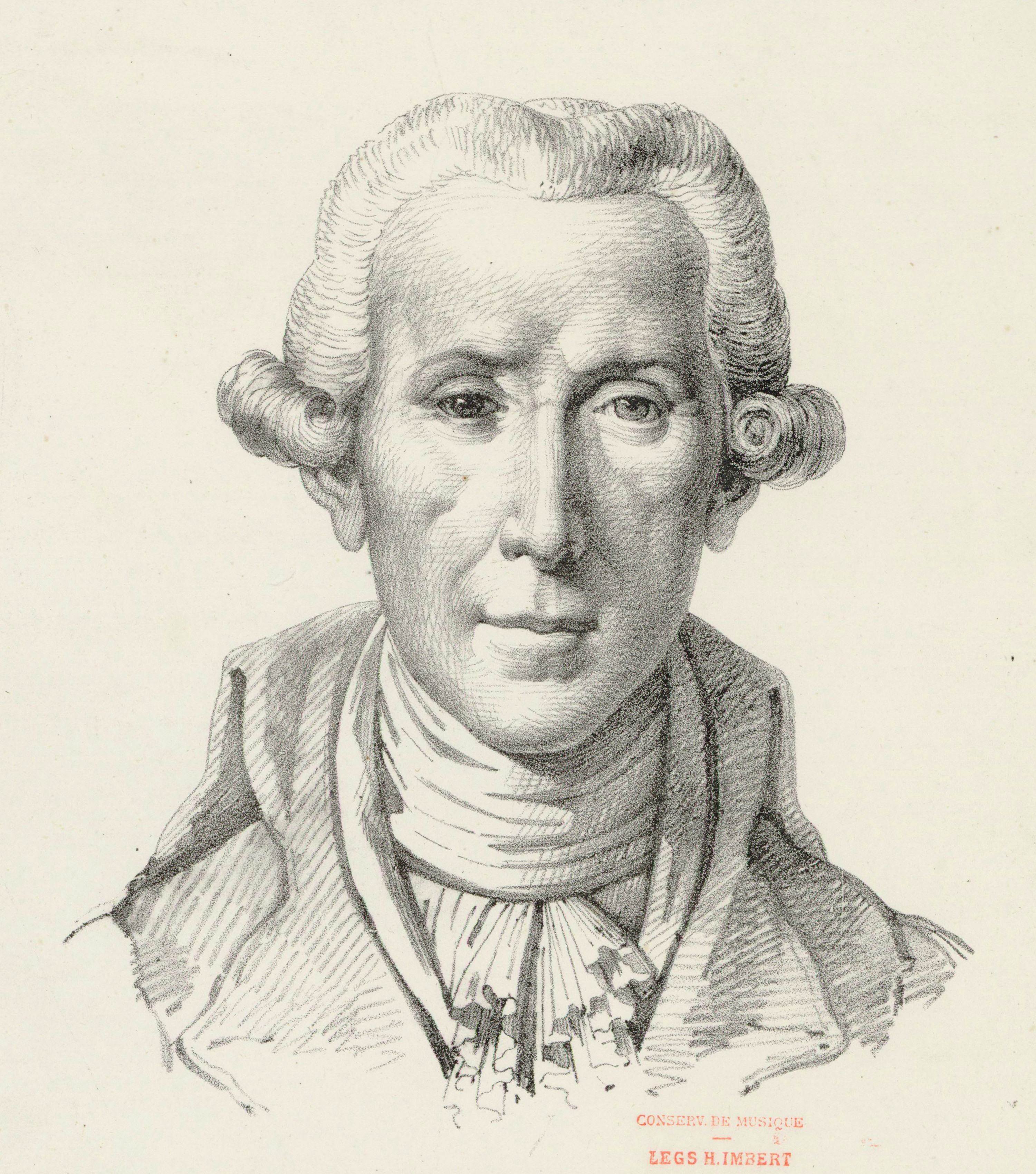
Classical Piece Spotlight

Luigi BoccheriniFile:Luigi Boccherini.jpg


Why is Grammar Important?

Grammar is the fundamental property of formulating an idea in a transferable format. Grammar is the root of all language and when mastered can provide amazing insights into understanding the utility of proper comprehension of grammar as a skill. An amazingly insightful and lucid answers to "Why is grammar important?" is laid out by Professor Brock Haussamen, on behalf of the National Council of Teachers of English (NCTE). 

"Grammar is important because it is the language that makes it possible for us to talk about language. Grammar names the types of words and word groups that make up sentences not only in English but in any language. As human beings, we can put sentences together even as children--we can all do grammar. But to be able to talk about how sentences are built, about the types of words and word groups that make up sentences--that is knowing about grammar. And knowing about grammar offers a window into the human mind and into our amazingly complex mental capacity.

People associate grammar with errors and correctness. But knowing about grammar also helps us understand what makes sentences and paragraphs clear and interesting and precise. Grammar can be part of literature discussions, when we and our students closely read the sentences in poetry and stories. And knowing about grammar means finding out that all languages and all dialects follow grammatical patterns."

SOURCE

Ayahuasca: A Key to Higher Awareness?


Ayahuasca is a psychedelic brew made with Banisteriopsis caapi vine and a DMT containing shrub with other various plants. The use of this concoction is common among indigenous spiritual ritual in Central and South America. The effects of ingesting are said to be an enlightening and euphoric experience. Many users of the psychedelic drink claim it causes a spiritual enlightenment and overall feeling of betterment and higher understandingof their lives and meaning. The psychedelic effects of ayahuasca include visual and auditory stimulation, the mixing of sensory processes, and psychological introspection that may lead to great elation, fear, or illumination. The not so enlighten and pleasant effects include intense vomiting follow ingestion and a general feeling of distress and anxiety. For these reasons spiritualists and indigenous shamans recommend that ayahuasca be taken in the presence of other people or a trained shaman. While DMT is generally illegal internationally, versions of ayahuasca that are absent the DMT containing bush are still psychoactive and are universally legal.